Fire inspections keep buildings safe, but they don't have to take up your entire day. Whether you're managing one property or many, understanding the process and using a platform like Uptick, that helps you put the right systems into place, can save you hours of work.
Let's take a look at what fire inspections actually involve and how you can make them run more smoothly.
What is a fire inspection?
A scheduled evaluation conducted by fire marshals, local fire departments, or certified inspectors to assess whether a property complies with fire safety codes and regulations. Inspections verify that fire protection systems work correctly, emergency exits remain unobstructed, and building occupants can evacuate safely in case of fire. The aim of these inspections is to catch problems before they become emergencies.
How Uptick helps you manage fire inspection requirements
Fire inspection requirements are different based on your location, building type, and occupancy classification. Commercial properties typically face more frequent inspections than residential buildings, while hospitals, schools, and manufacturing plants have their own standards again.
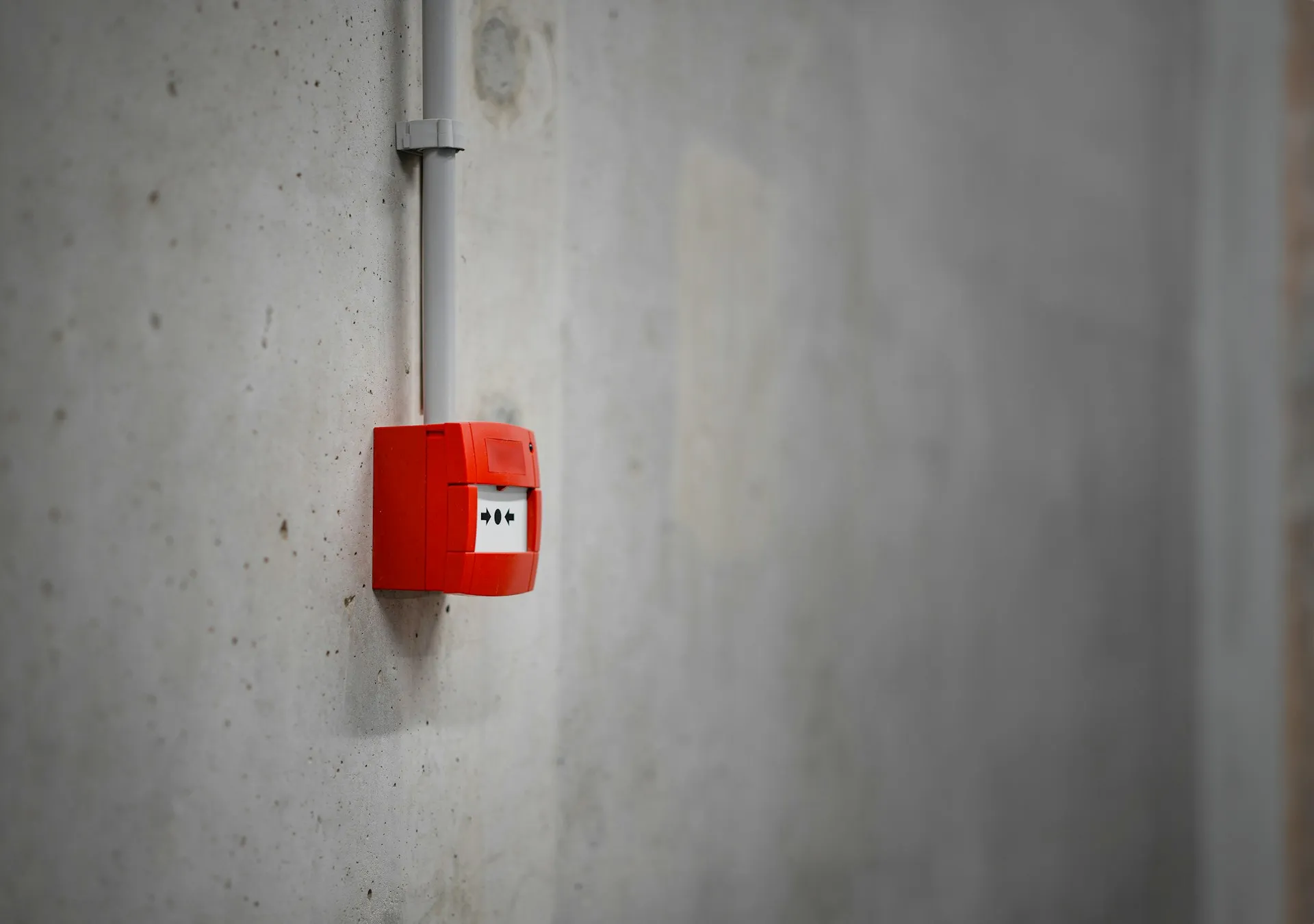
Most jurisdictions require annual fire inspections, though some high-risk facilities need them quarterly or even monthly. Your local council decides the frequency based on factors like building age, occupancy load, and the presence of hazardous materials. Uptick can help manage this routine maintenance by scheduling recurring visits to ensure an inspection is never missed.
Beyond these inspections, you also need to meet ongoing fire inspection procedures for your internal team. This means regular testing of fire alarms, sprinkler systems, emergency lighting, and fire extinguishers according to manufacturer specifications and NFPA guidelines.
What happens during a fire inspection?
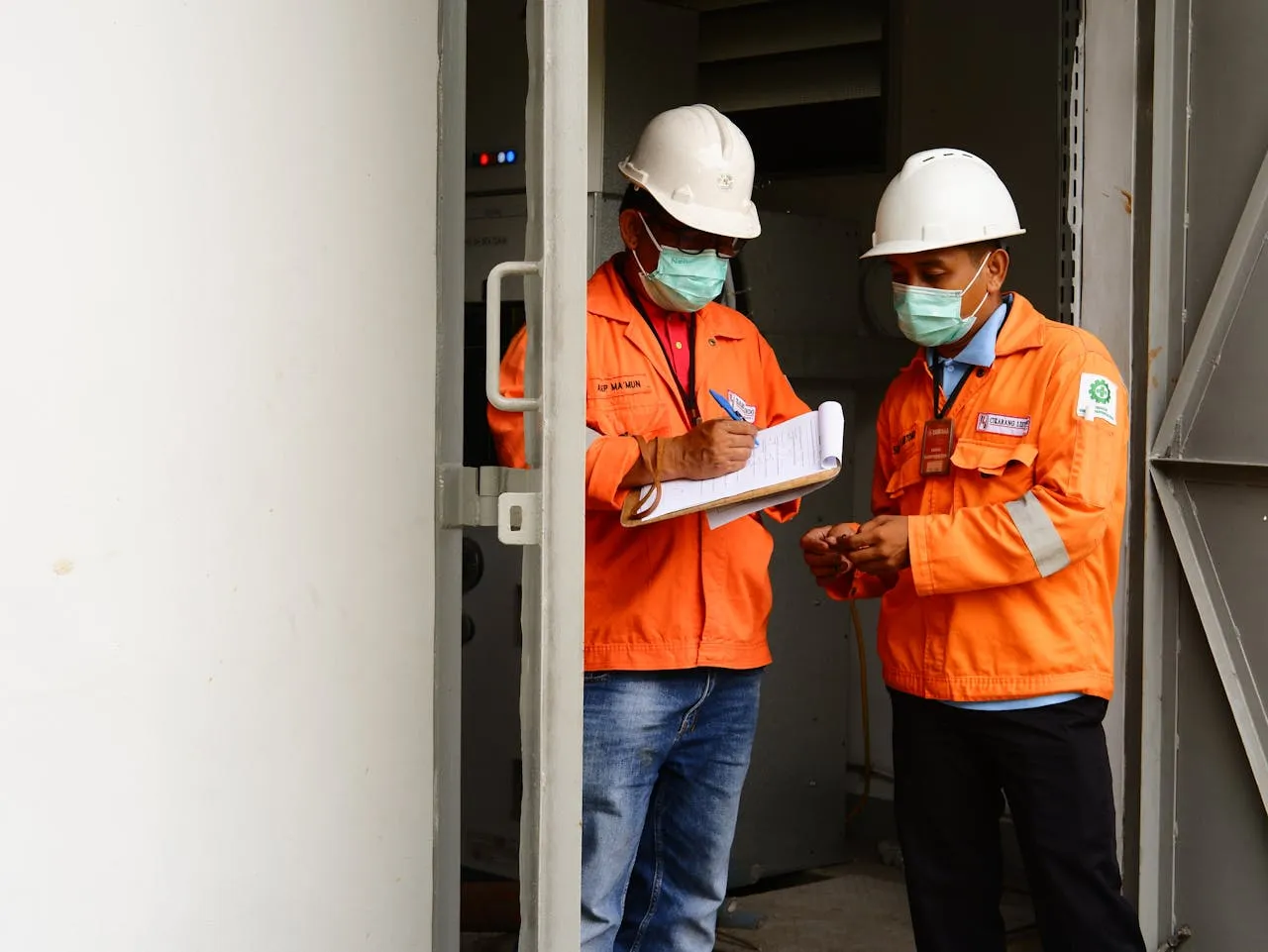
Fire inspections follow a methodical pattern, but the specific focus depends on your building type. The entire process usually takes between one and three hours for standard commercial properties, but larger or more complex facilities may require a full day or multiple visits.
6 items inspectors will likely examine
- Fire protection systems
Smoke detectors, fire alarms, sprinkler systems, and fire suppression equipment are all tested. Inspectors look for proper installation, regular maintenance records, and actual functionality. - Emergency exits and egress routes
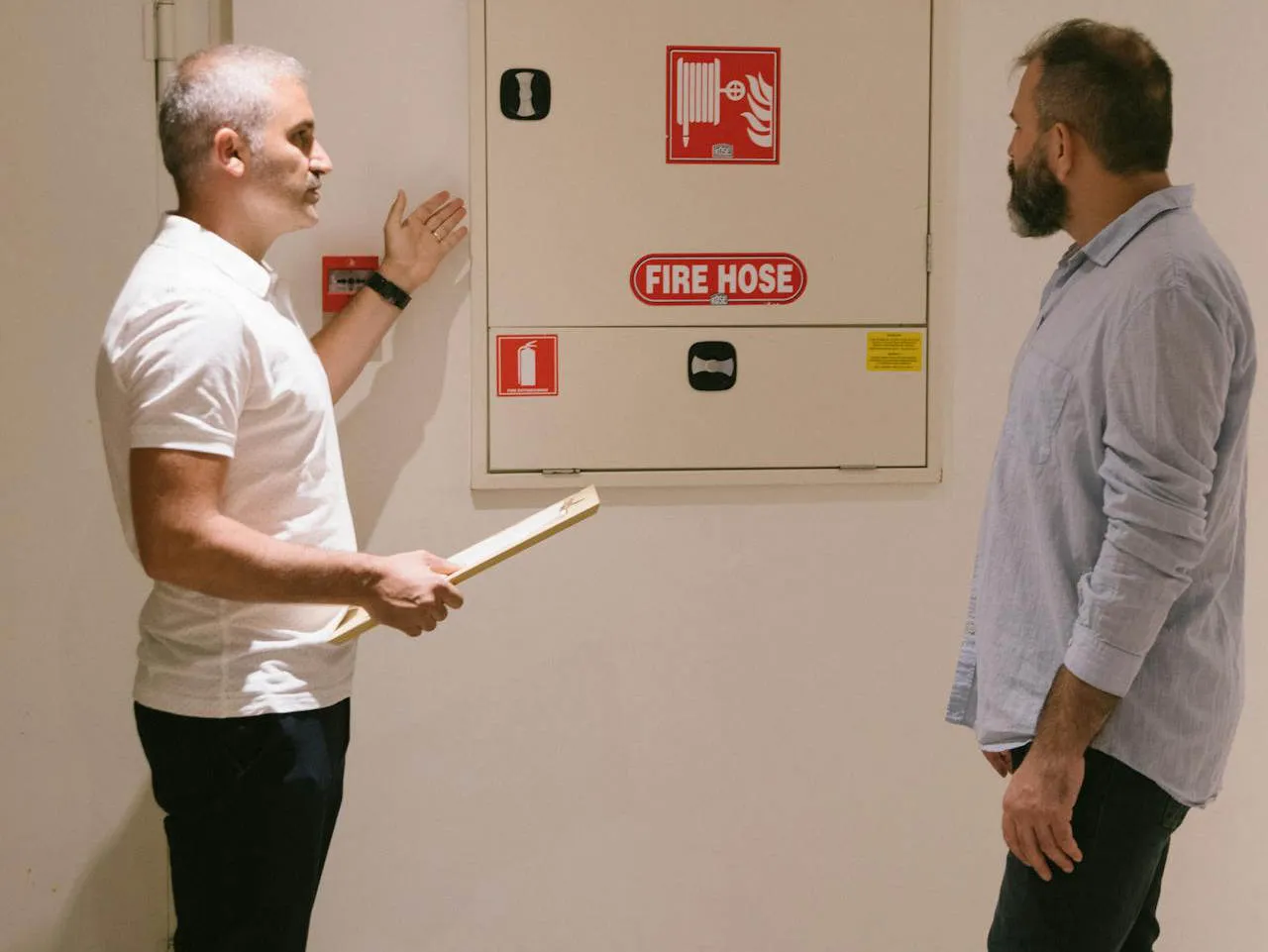
Every exit door, stairwell, and corridor gets examined. Do the doors open properly? Are exit signs illuminated? Are the pathways clear? Are the emergency exits blocked or locked? - Fire extinguishers
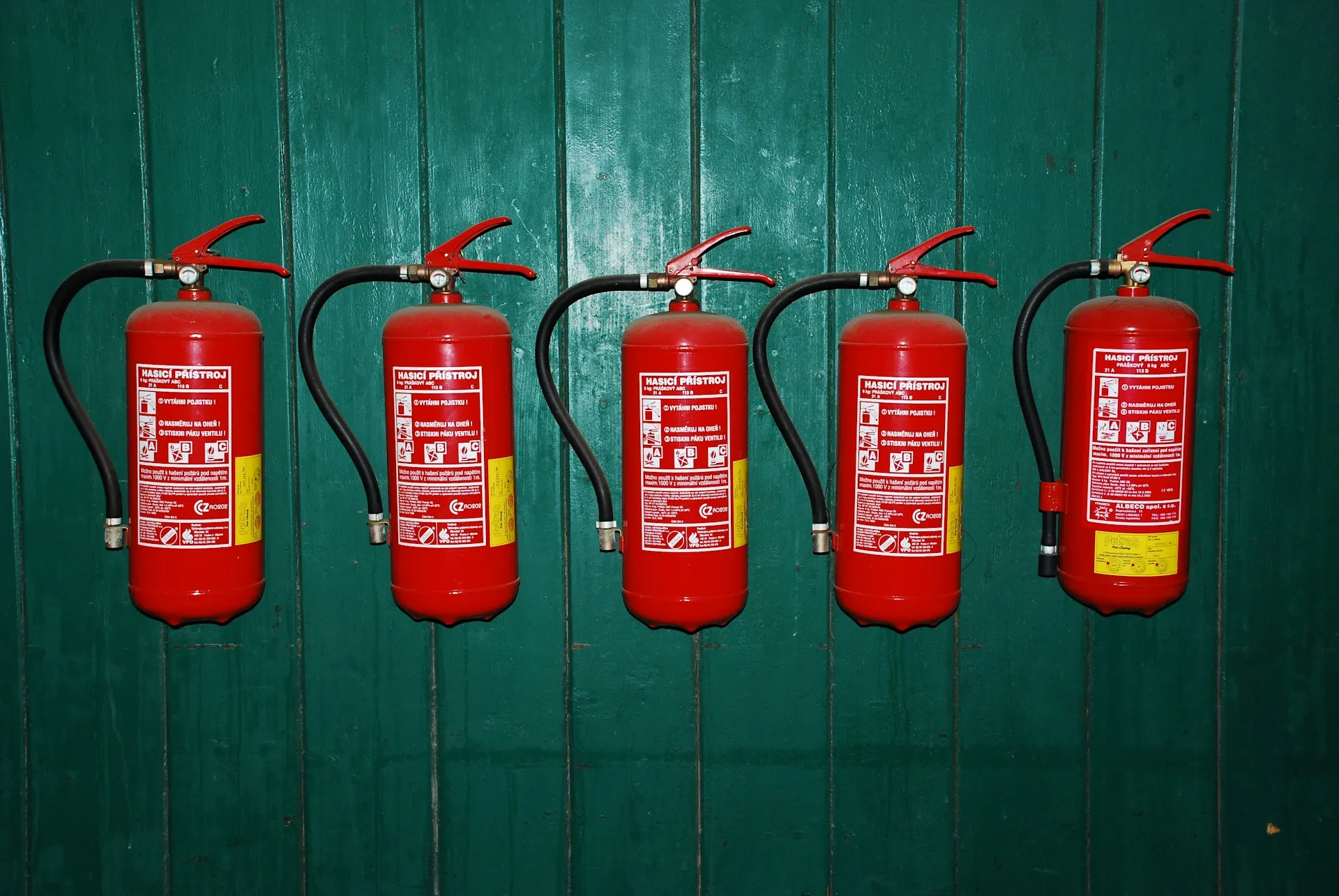
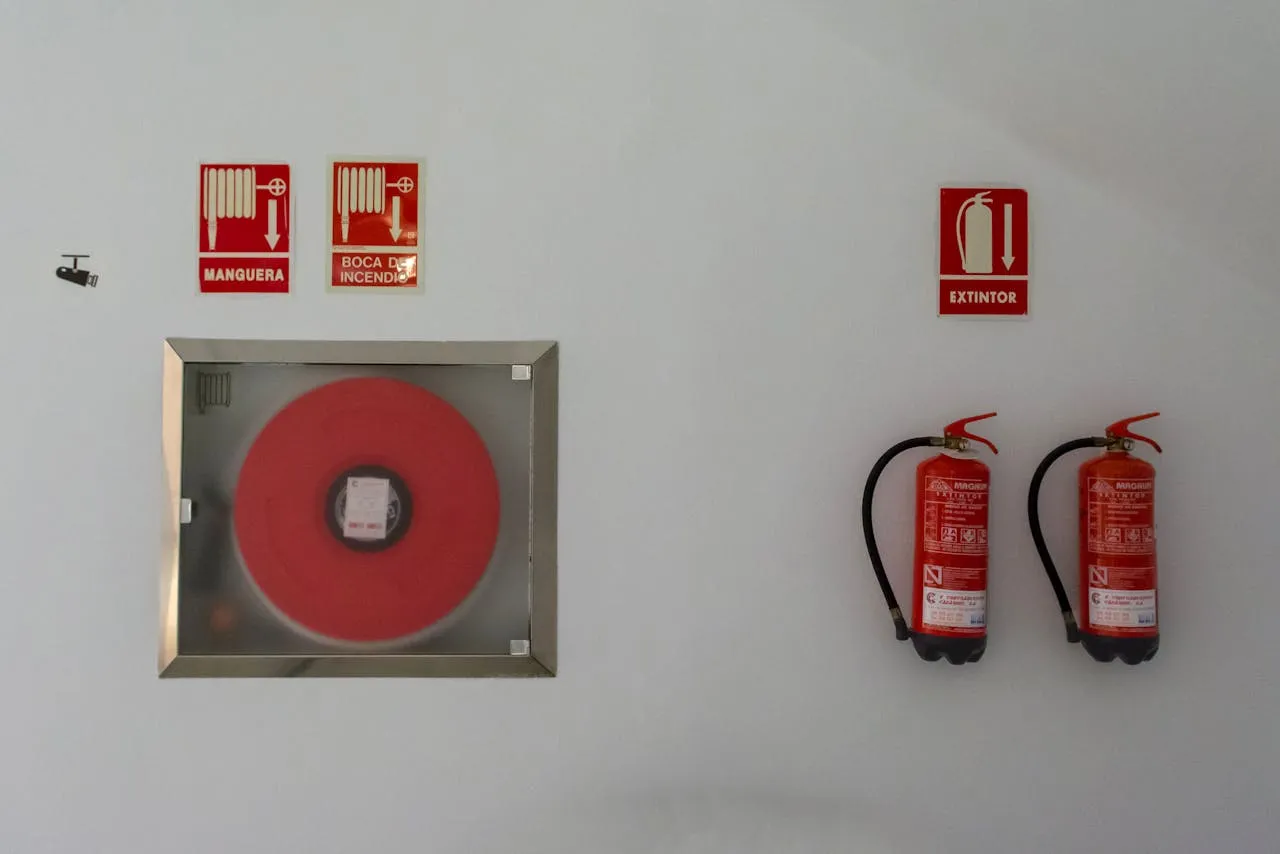
Extinguishers must be mounted at proper heights, clearly marked, recently serviced, and appropriate for the types of fires that could occur in that area. - Electrical systems
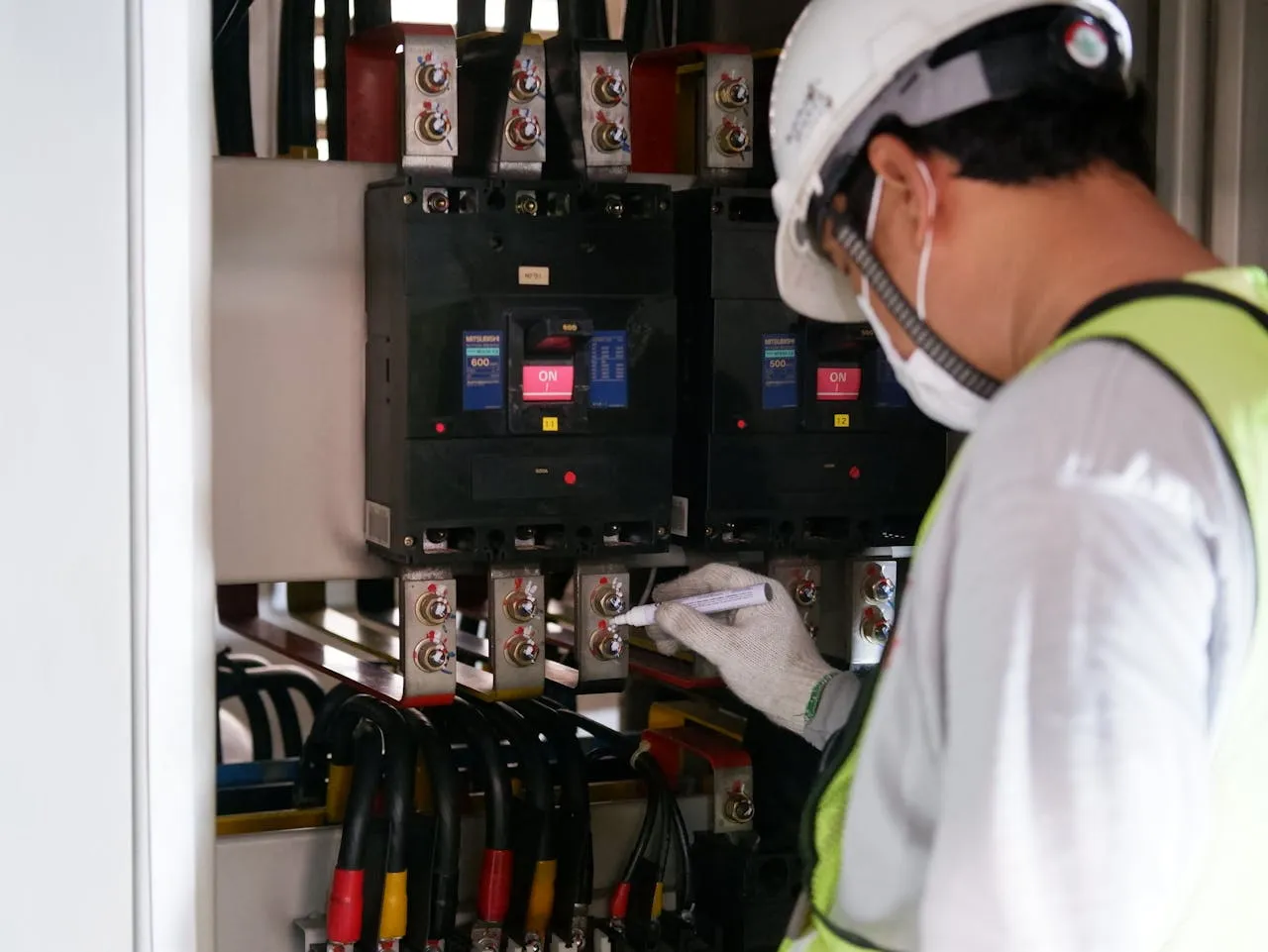
Overloaded circuits, improper wiring, and damaged electrical panels all create fire hazards. Inspectors look for extension cords used as permanent wiring, exposed wires, and other electrical violations. - Hazardous materials storage
If your facility stores flammable liquids, chemicals, or combustible materials, you must follow proper storage protocols, maintain required clearances, and use appropriate containers. - Building infrastructure
This includes checking fire-rated doors and walls, fire dampers in HVAC systems, and the general condition of the building's fire-resistant construction elements.
What is a fire inspection checklist?
Fire inspection checklist: A structured document that covers the items inspectors will examine during their visit. This comprehensive list of fire safety items, systems, and conditions are helpful for both inspectors and property managers. Checklists ensure inspectors examine all required elements systematically and help property managers identify potential violations beforehand.
Standard fire inspection checklists typically include sections for fire suppression systems, emergency exits and lighting, fire extinguisher placement and maintenance, electrical safety, and housekeeping. While paper checklists are a start, Uptick hosts a library of customizable digital inspection forms built around local standards, so you can easily complete service reports on-site, meet site-specific requirements, and more,
We recommend all property managers use fire inspection checklists. It's much easier to address a blocked exit or expired fire extinguisher when you discover it yourself rather than during an inspection that could result in citations.
Your fire inspection guidelines
What do inspectors look for?
Fire inspection guidelines help standardize the process across different inspectors and jurisdictions. While local codes vary, most follow NFPA standards as a baseline.
Inspectors prioritize life safety – that means clear exit routes, functioning alarms, and accessible fire suppression equipment are more important to them than minor code technicalities. They're also looking for patterns – one missing exit sign might call for a reminder, but many could suggest a systemic problem with your fire safety program.
Documentation matters more than most people realize. Inspectors want to see maintenance records for fire systems, employee training logs for evacuation procedures, and evidence that you're conducting regular internal checks. Missing paperwork is a huge red flag and can result in violations even if the physical equipment passes inspection.
What are the fire inspection violations properties commonly face?
- Blocked exits and corridors
Someone needs temporary storage space, a shipment arrives, or equipment gets briefly parked in the wrong spot. These violations appear simple but create serious safety risks. - Maintenance
Fire extinguishers need annual inspections, sprinkler systems require quarterly testing, and smoke detectors have expiration dates. When you're managing multiple systems across different schedules, many properties have maintenance that slips through the cracks. - Poorly-recorded documentation
Records spread across filing cabinets, email inboxes, and different team members can be an issue. When an inspector asks for your sprinkler test records from six months ago, you should easily have it on hand. - Inconsistency when it comes to inspection procedures
When your team follows different processes across multiple properties or buildings, compliance becomes harder to maintain and verify.
How to streamline your fire inspection processes
Making fire inspections more efficient definitely doesn't mean cutting corners. It means taking a look at your approach and adjusting it so that nothing gets missed and everything runs as it should – smoothly.
Create a master calendar for your fire inspections
Track all inspection due dates, testing schedules, and maintenance requirements in one centralized system. Set up automatic reminders well before deadlines so you're never scrambling at the last minute. Include both external inspector visits and your internal checks.
Standardize your fire inspection checklists
Develop fire inspection checklists for all your properties and make sure that they mirror what inspectors will examine. Train your team to run through these checklists every month or quarter so you can catch problems early. Make sure everyone uses the same format and terminology.
Keep all your documents in one place
Store all your fire safety records – equipment maintenance logs, testing certifications, inspection reports, training records, and correspondence with fire officials – in one accessible location. Digitally storing these is even more efficient as it makes finding what you need faster and the risk of losing anything lower.
Break up the safety checks and assign owners
Assign specific people to different parts of the fire safety check, making them solely responsible for that section. One person could handle fire extinguisher checks, while another could manage alarm testing, and someone else could conduct monthly walk-throughs. Clear accountability means fewer balls are dropped.
Conduct pre-fire inspection audits
Schedule your own thorough inspection around 2 - 4 weeks before the official fire inspection. Walk the property with your fire inspection checklist, take photos of any issues, and create an action plan to address errors you discover. This can help you dramatically reduce violations and failed inspections.
Track all recurring safety issues
If you're repeatedly cited for the same problems, find out why. Maybe your extinguisher inspection vendor is unreliable, or a particular exit keeps getting blocked because the workflow needs redesigning. It’s more efficient to fix the system, not just the symptom.
Go digital with Uptick
Moving from paper checklists and filing cabinets to a digital inspection management software will remove most documentation headaches. Uptick allows you to schedule tasks, send defect quotes straight from the field, locate and inspect any asset fast, and generate reports from anywhere. And, if an inspector ever asks for proof of your quarterly sprinkler test, you can pull it up in seconds. Turning your workflows digital with Uptick means you can finally move into a state of proactive fire safety maintenance.
3 ways to make fire safety part of the culture
Streamlining fire safety inspections works best when all team members understand why fire safety matters.
- Provide the team with regular fire safety training to keep fire safety top-of-mind. This will help them identify potential hazards before they become violations
- Make fire safety part of daily operations rather than something you only think about before an inspection. Include quick safety checks of high-traffic areas in your morning huddles, or conduct routine walk-throughs to assess fire extinguishers and exit routes.
- When your team passes an inspection with zero violations, acknowledge and celebrate the effort, and when someone catches and reports a potential hazard, praise them.
How Uptick is changing fire inspection procedures
It’s no secret that digital tools are transforming how property managers handle fire safety procedures and compliance. Platforms with mobile inspection apps like Uptick allow technicians and their teams to complete inspection forms, assess floorplans, timestamp entries, and upload photos of equipment or violations as they go. Its cloud-based management system creates automatic audit trails, where every test, inspection, and repair gets recorded with the date, time, and responsible parties.
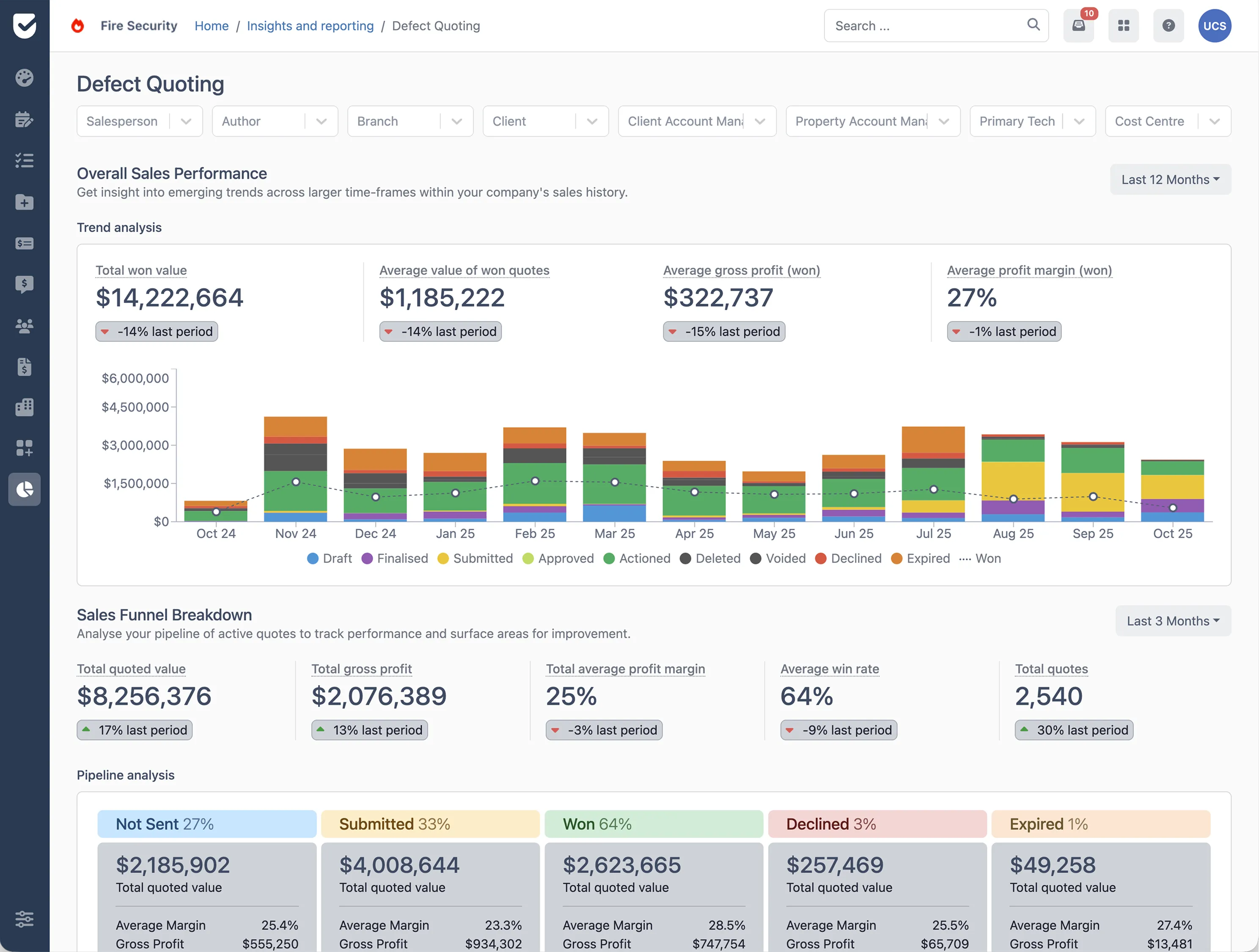
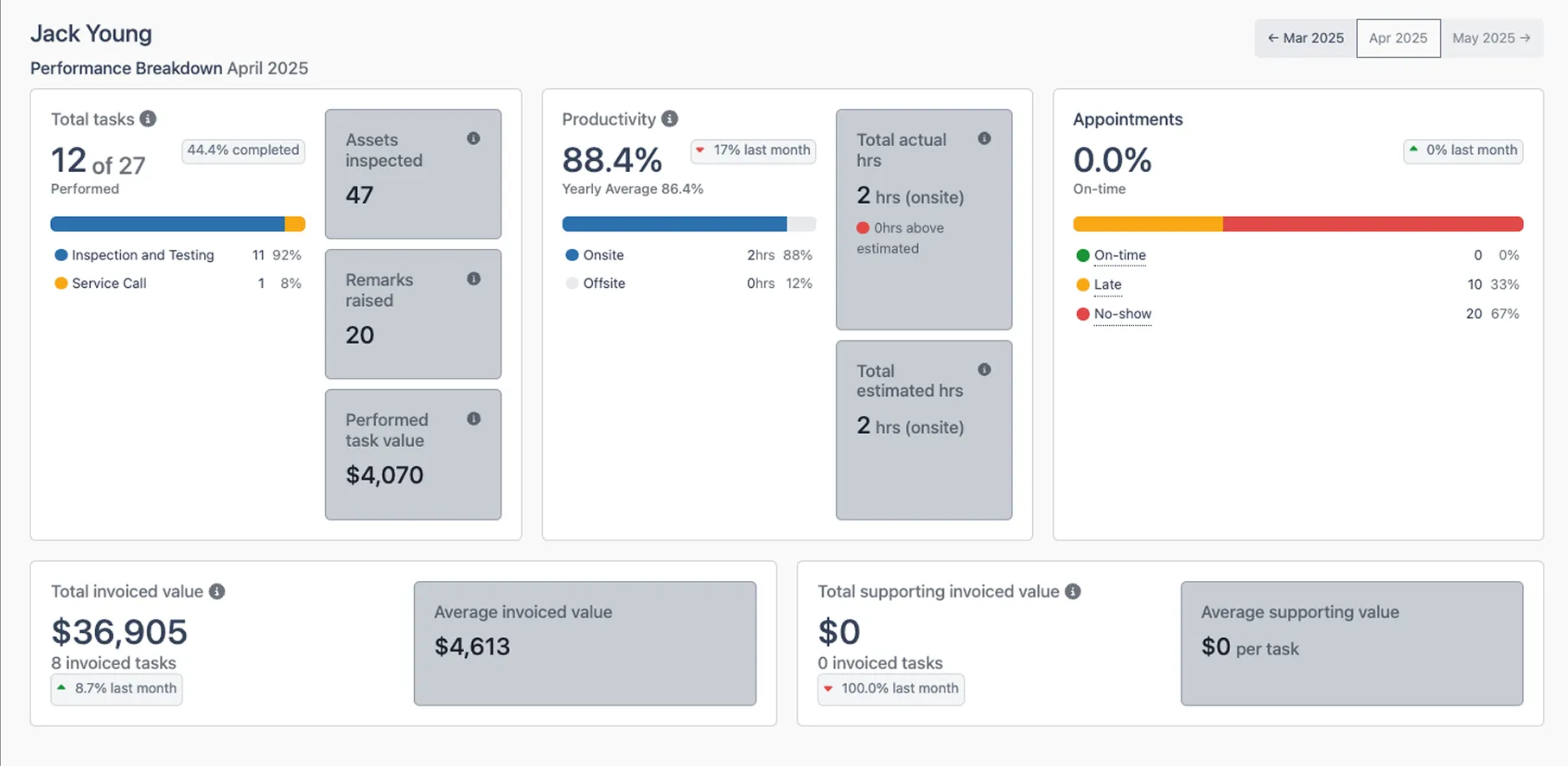
Automated scheduling ensures nothing falls through the cracks, reminding you when fire extinguishers need servicing, when alarm tests are due, and when it's time for internal audits. Then, there’s analytics. These help identify trends across properties – if three buildings all struggle with exit door compliance, that means there’s a training issue or procedural gap you should be addressing systematically.
Ready to see why Uptick’s all-in-one platform is trusted by hundreds of leading fire protection businesses?