Anyone working in the field knows the reality of paper-based inspections. You’re walking through a site with a clipboard, filling out forms, checking tags, logging issues, and trying to keep everything organized while still getting the job done.
What starts as a manageable system for a small team quickly becomes harder to control as inspection volume grows, especially when consistency, speed, and compliance all start to matter more.
In this blog, we’ll break down how fire protection companies are moving away from paper-based processes and using fire inspection report software to simplify reporting, reduce admin, and improve visibility across every job.
The reality of paper-based fire inspection reporting
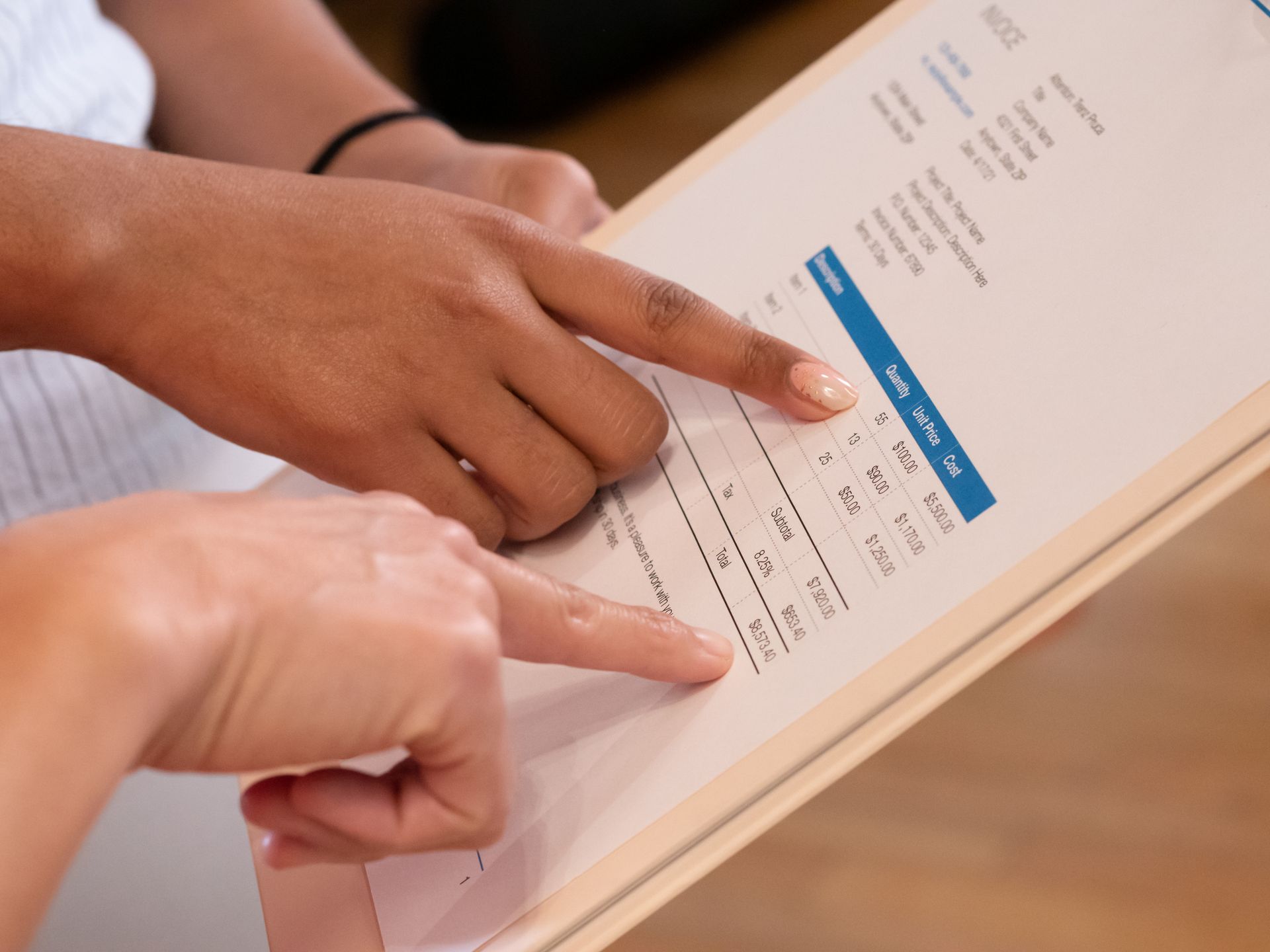
On the surface, paper inspection reports seem simple. But in practice, the workflow is much longer than it looks.
A typical process looks like this:
- Print inspection checklists before heading to site
- Complete handwritten notes during the inspection
- Record asset details and any defects manually
- Take separate photos and attach them later (if they don’t get lost)
- Return to the office and re-enter everything into a system or spreadsheet
- Format and generate the final report
- Email or file the report for compliance records
Each step adds time, and each handoff increases the chance of errors or missing information.
Where paper systems start to break down
Most fire protection companies don’t feel the pain straight away. At first, paper-based processes are manageable, especially when workloads are smaller and the team is close-knit. But as inspection volume increases, the cracks start to show.
Reports can take days to reach clients because everything needs to be reviewed, re-entered, and formatted back in the office. Small errors also start to creep in, whether that’s missed details from handwritten notes or information being misread during data entry. On top of that, paperwork can easily go missing in the handover between field and office, which creates gaps in the record.
It also becomes harder for office teams to see what’s actually happening in real time, since work only becomes visible once the paperwork comes back. Over time, this makes it difficult to maintain consistent and reliable compliance records, especially when multiple technicians are working across different job sites.
These issues tend to scale with the business, becoming more noticeable as teams grow and inspection demand increases.
How software replaces paper inspection workflows
Digital tools replace the manual process with structured mobile workflows. Instead of paper forms, technicians complete inspections directly on a fire inspection app in the field.
A modern system typically allows technicians to:
- Complete inspections on mobile devices
- Use pre-built digital forms instead of paper checklists
- Capture photos directly within the inspection
- Log defects in real time
- Access asset information on-site
- Submit completed inspections instantly
This removes the need for duplicate data entry and reduces delays between field work and reporting.
Why Uptick is used in fire inspection workflows
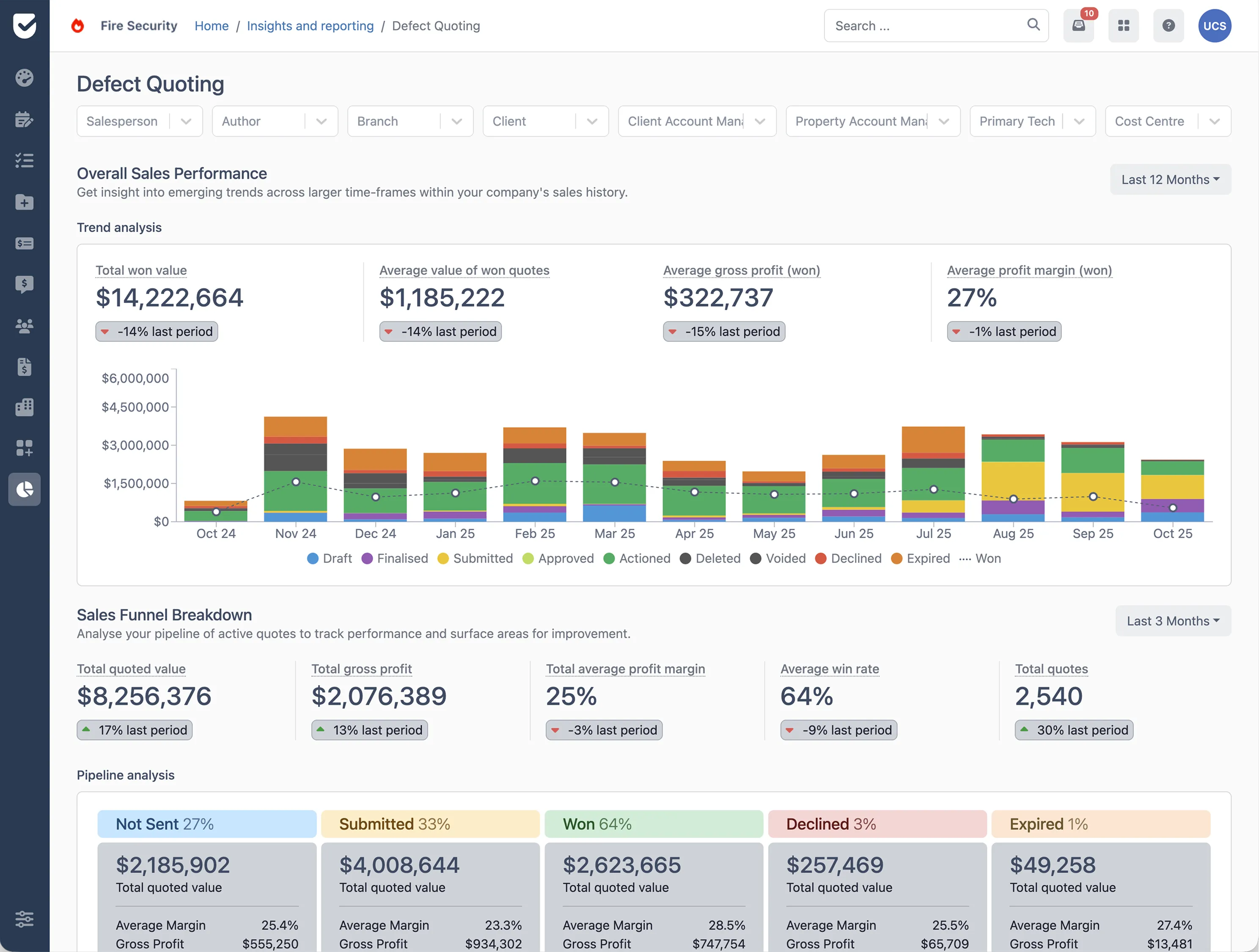
For many fire protection companies, Uptick is their preferred fire inspection report software platform to connect field inspections with operations back in the office.
Technicians can complete inspections using a mobile app, capture photos, log defects, and record asset data directly on-site. Once submitted, inspection results are available immediately for office teams to review and share with clients.
It also supports structured workflows that help standardize inspections across teams, reducing reliance on paper-based processes and improving visibility across jobs.
If your reporting process still relies on paper forms, spreadsheets, or manual data entry, it’s worth pressure-testing where time and risk are actually building up in your workflow.
Here’s a simple check you can run internally:
- Can technicians complete inspections once, without re-entering data later?
- Do office teams have real-time visibility of what’s been completed in the field?
- How long does it take for an inspection to become a client-ready report?
- Are photos, defects, and asset data consistently linked to the correct job?
If you answered “no” or “not consistently” to any of these, it usually points to a reporting process that’s adding friction.
If you’re looking to move from paper-based systems and improve visibility across inspections, see how Uptick supports end-to-end fire inspection workflows, book a demo.